About the Town of Grove
The Town of Grove is located in the northeast corner of Allegany County, New York — a rural community of approximately 500 residents covering 35 square miles of working farmlands and forest. Established in 1827, Grove is home to the Hamlet of Swain and the Swain Resort, one of the finest ski destinations in Western New York.
You won’t find us on many maps, but you will find some of the most beautiful land in Western New York. Roughly 60% of the land in Grove is owned by non-residents — many plots serve as summer homes, vacation cottages, and campsites. The peace and quiet of Grove’s country setting draws people back season after season.
Schools
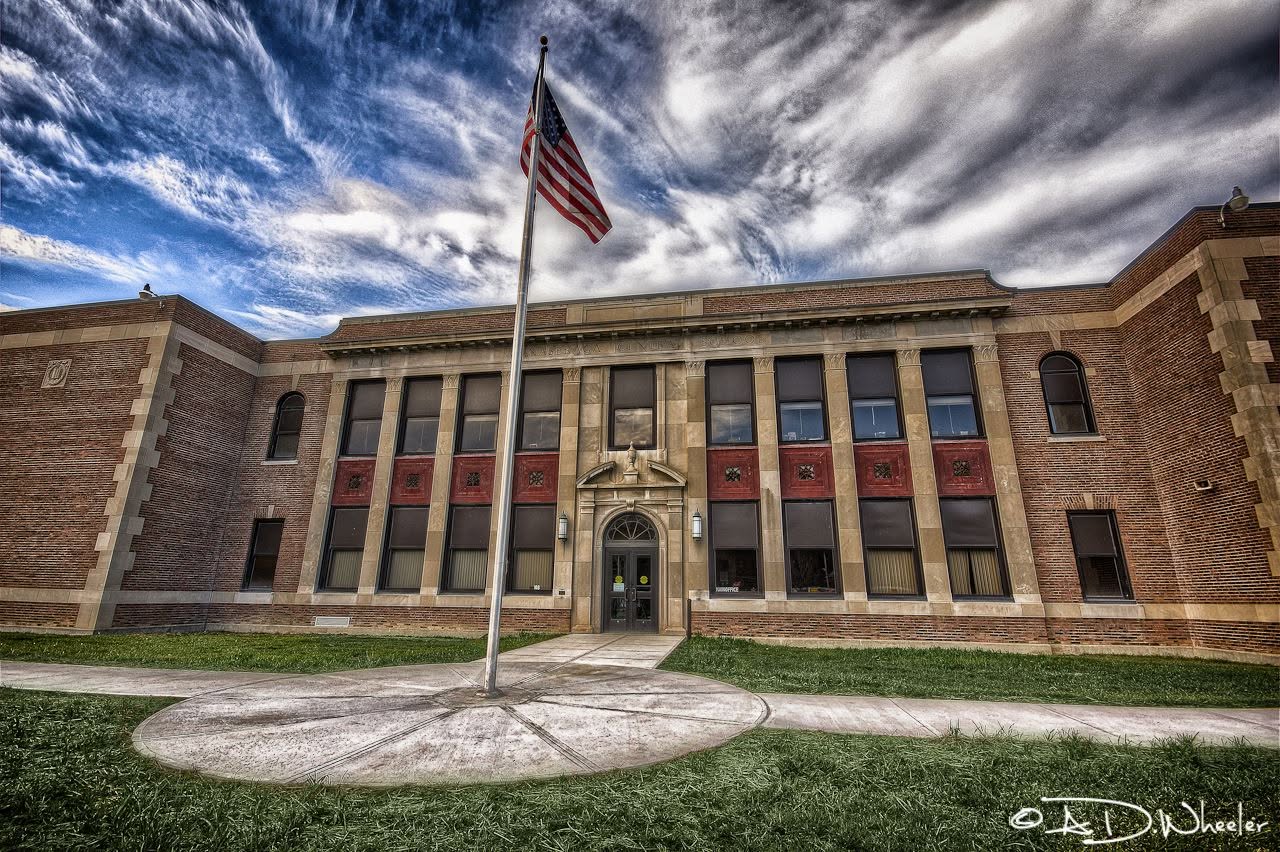
Canaseraga Central School District
The Canaseraga Central School District provides quality education for a portion of the Town of Grove. The school is located in the Village of Canaseraga and serves six townships.
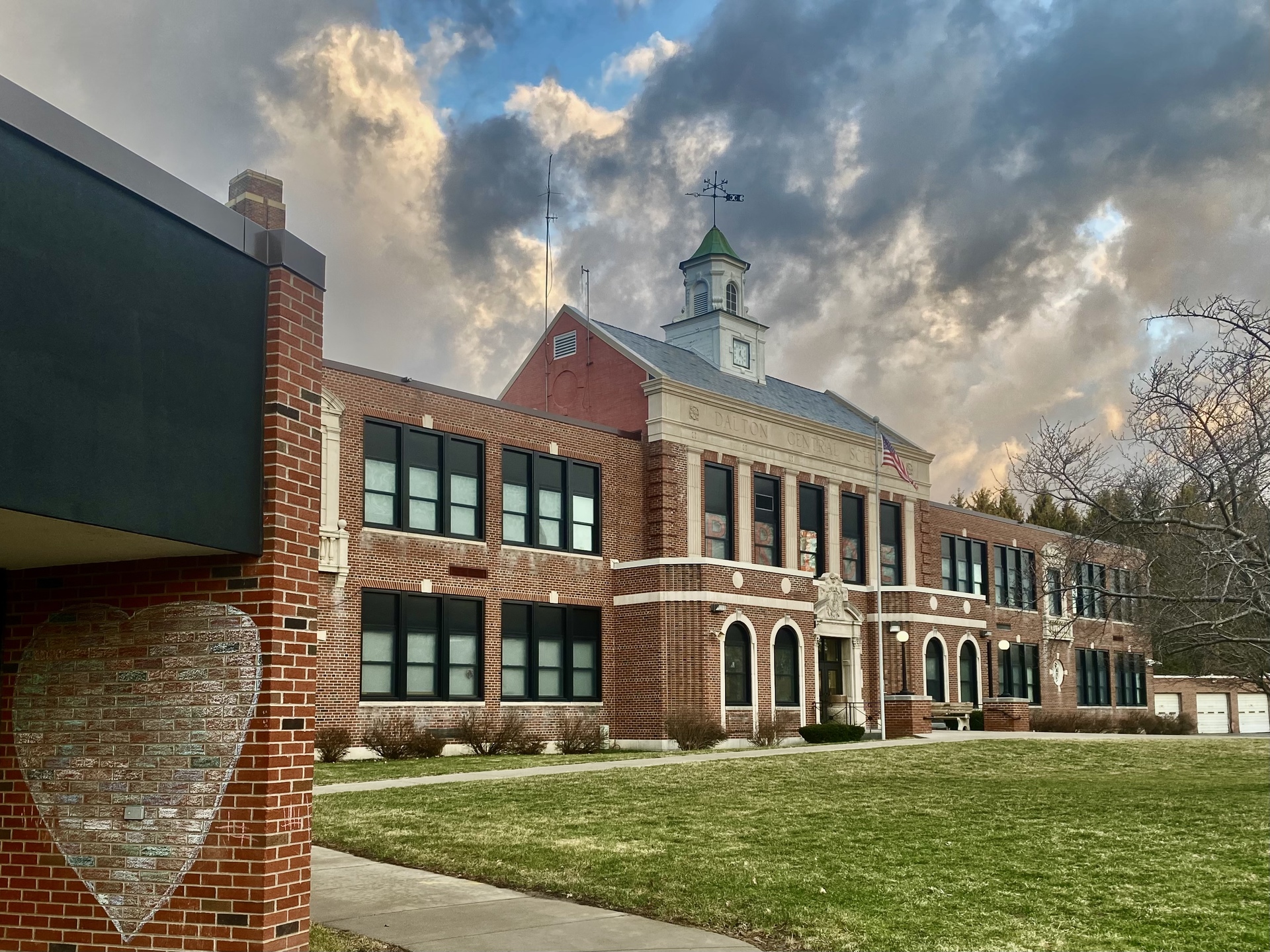
Keshequa Central School District
The Keshequa Central School District serves the western part of the Town. School buildings are located at Nunda and Dalton.
Emergency Services
🚒 Fire
- Canaseraga Fire Department
- Nunda Fire Department
For emergencies, dial 911.
🚔 Police
- New York State Police
For emergencies, dial 911.
📍 County Resources
Town History
-
1818 – 1827
Founding & Early Settlement
Grove lies on the north border of Allegany County, east of center. The territory was originally incorporated as Church Tract on March 8, 1827, carved from the town of Nunda. It assumed the name Grove in 1828 and included the territory of Granger until April 18, 1838. The town is bounded north and east by Livingston County, east by the town of Burns, south by Birdsall, and west by Granger.
Grove contains 21,070 acres of land. The terrain is rough and hilly, with several valleys and ridges — gravelly loam in the valleys, clay loam with hardpan subsoil on the hills. Early on, it was a purely agricultural town. Dairy shipment was greatly facilitated by both the Erie Railroad and the Central New York and Western Railroad, each having about five miles of track through the town. Population peaked at 1,154 in 1850 and stood at 954 by 1890.
The first settler on the Nunda Church Tract was John White, who cut his way through the wilderness from Nunda and built the first log home in May of 1818. The first annual town meeting was held April 3, 1827, at the home of John Dillars. By 1825, settlers Thayer and Smith had opened the town’s first store, and Henry Andrews opened an inn in 1828. Through the late 1820s to 1870s, the town flourished with taverns, sawmills, a cheese factory, churches, and schoolhouses.
-
1852
The Hamlet of Swain
The Hamlet evolved as the main business center of Grove. In 1852, it was named Swainsville after one of the earliest settlers, Samuel Swain, who arrived and started a lumber business shortly after the town’s founding. Many pioneers followed, and the hamlet grew into a working center with sawmills, feedmills, a general store, hotels, and small factories.
Among the notable businesses were the Old Headache Tavern, the Geibel Hotel, a broom handle factory, and a cradle finger factory. Mr. Adison Seager operated a sawmill east of the Shawmut railroad culvert and was prominent in local political affairs. A second sawmill, owned by Harry Shaw, stood on the bank of the New York, Lake Erie and Western Railroad.
-
1881 – 1947
The Shawmut Railroad
The Allegany Central Railroad began service in May 1881 and earned the nickname “the Shawmut,” which became the Shawmut Line in November 1881. The line ran from Swain to Angelica, passing between Perkinsville and Belfast. A large depot and dwelling house were built where every train stopped to take on wood.
The Shawmut fell into hard times in 1936 and was formally discontinued in March 1947. Parts of the historic “Horseshoe Bend” can still be seen in Swain today.
-
1836 – 1886
Fredrick Decker — “The Ossian Giant”
For many years, Grove was well known as the home of Fredrick Decker, dubbed “the Ossian Giant.” Born in Geneseo, NY on May 9, 1836, Decker grew to a height of 6 feet, 11¾ inches and a weight of 300 to 350 pounds — a remarkable figure from a family of otherwise ordinary stature.
By trade a lumberman, Decker traveled with the P.T. Barnum shows for several years as a featured attraction. He made his home in Grove in 1877 and died on March 21, 1886.
-
1946 – Present
Swain Ski Slopes
The Swain ski area has its roots in the 1940s, when local enthusiasm for winter recreation first brought skiers to the hills above the Hamlet. Over the decades it grew into one of the premier ski and snowboard destinations in Western New York, drawing visitors from across the region every winter season.
Today, Swain Resort remains a cornerstone of the local economy and one of the most recognizable names in the Town of Grove.
Contact Town Historian Alexander Pierce for detailed historical research and records.
- 📞 607-545-3342 · 📱 585-880-9557 (cell)
- ✉️ grovetownhistorian@gmail.com
- Mailing: P.O. Box 6, Swain, NY 14884 · Available by appointment only